Throughout March, Anti-Slavery International will publish a blog series authored by experts who consulted on the joint Middlesex University and Anti-Trafficking Monitoring Group training framework designed to strengthen Local Authorities’ Response to modern slavery. In the second blog from the series, we hear perspectives from Joy Ebizo.
Joy Ebizo is a leading expert and advocate on modern slavery and human trafficking with extensive experience as an independent consultant, contributions to national discussions with the United Nations and adviser on numerous research projects, as well as a speaker at conferences and panel discussions on modern slavery. Joy is a member of the UK BME Anti-Slavery Network (BASNET), project mama advisory board and of Unseen lived experience consultant group. Joy has organised women-led spaces and built bridges between migrant communities and wider society through food, storytelling, and cultural learning. She has vast experience in delivering training to multiple stakeholders.
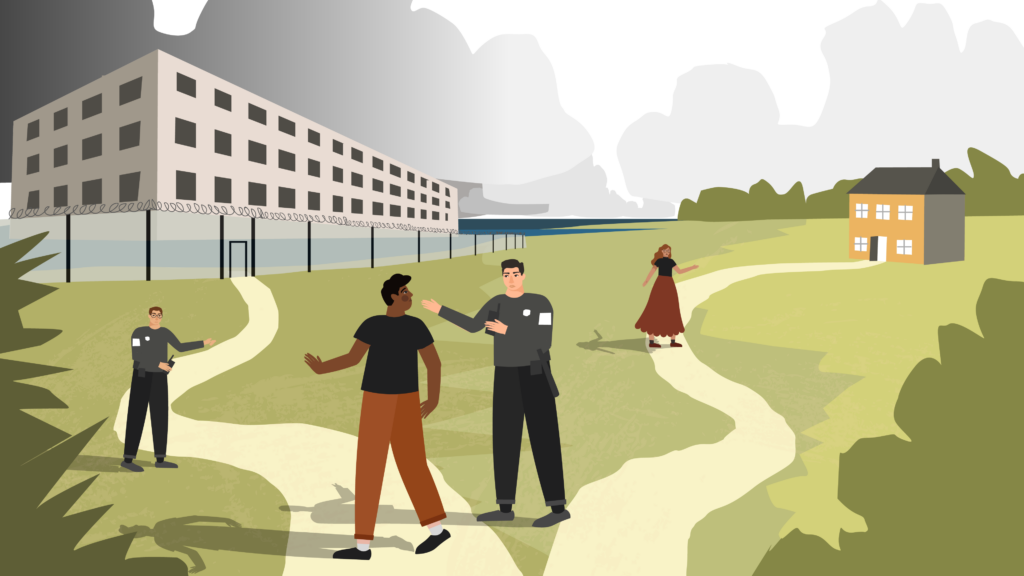
“Survivors are often left at a disadvantage because the system is built in a way that criminalises survivors rather than perpetrators.”
- Joy Ebizo
In the second blog of the series, we hear from Joy, who discusses the crucial need for practitioners to be trauma-informed, the criminalisation of survivors, and the need for justice as well as support to recover from exploitation.
Why it is important to define modern slavery
Modern slavery is an umbrella term, encompassing multiple forms of exploitation, however, we need to have specific definitions to ensure we can appropriately identify and support survivors and effectively tackle modern slavery.
The challenges Local Authorities face in responding to modern slavery
“Survivors are often left at a disadvantage because the system is built in a way that criminalises survivors rather than perpetrators.”
For many survivors of modern slavery, the moment they finally encounter the system that is meant to protect them is not always a moment of relief. Instead, it can become another moment of confusion, silence, and misunderstanding.
Modern slavery is widely discussed, yet it remains deeply misunderstood. That misunderstanding shapes how institutions respond to survivors and often leaves them feeling invisible within the very structures designed to support them.
One of the most pressing challenges is the lack of consistent trauma-informed practice among professionals. The language used, the assumptions made, and the way questions are asked can unintentionally retraumatise people who have already experienced profound harm.
For survivors, these interactions can reinforce feelings of shame or create the sense that something is wrong with them. Practitioners may fail to recognise the complex realities survivors come from or fully understand what they have just escaped. This highlights the urgent need for greater awareness and sensitivity when engaging with victims of exploitation.
Identification is often treated as the key milestone in addressing modern slavery. But identification alone is not enough. When appropriate support does not follow, survivors can find themselves in situations that feel alarmingly similar to the ones they escaped from. Without consistent, trauma-informed support, vulnerability remains.
Language and attitudes also shape whether survivors feel able to disclose exploitation. When victims are approached with pity, suspicion, or treated as offenders rather than individuals who have experienced harm, disclosure becomes far more difficult. When survivors are not properly identified or supported, they remain at risk of further exploitation and re-trafficking.
The importance of training
Training is essential to ensure professionals understand modern slavery and know how to respond effectively. Just as doctors spend years learning to recognise symptoms of illness, frontline professionals must develop the skills to identify signs of exploitation and respond appropriately.
However, training alone cannot solve the problem. Strengthening responses to modern slavery requires clear responsibilities across agencies, coordinated systems, and survivor-led recovery pathways.
Embedding lived experience within training and service design is particularly important. Survivors understand the gaps in systems in ways that theory alone cannot capture. When lived experience informs policy, practice, and training, responses become more grounded in the realities survivors face.
Reading about exploitation in a training manual does not always prepare someone for the complexity of supporting a survivor in practice. Lived experience expertise can help bridge that gap.
Looking ahead
Justice, not only support
Current responses to modern slavery often focus on addressing the symptoms of exploitation, such as trauma and mental health needs, but they do not address the actual root causes of what led to the exploitation. While this support is important, it does not address the deeper need for justice.
Justice plays a crucial role in recovery. Survivors need justice because it gives them peace and allows them to see that their lives matter, their existence counts and that society recognises the harm that has been done to them.
Yet many survivors remain in limbo for years due to systemic failures by multiple agencies, delays, and barriers to accessing quality legal representation. In many cases, there is insufficient evidence to prosecute exploiters. And, when survivors were forced to commit offences as part of their exploitation, they are often more likely to be criminalised than the perpetrators themselves.
This imbalance sends a troubling message. When victims are punished while traffickers escape accountability, perpetrators are emboldened and survivors are left further marginalised.
Another concerning reality is how exploitation is represented publicly. Survivors’ stories, images, and identities are often used to illustrate the issue, while the identities of perpetrators remain protected or largely invisible. This imbalance reinforces the visibility of victimhood while allowing those responsible for exploitation to remain hidden from scrutiny.
Modern slavery and immigration
A significant barrier to recovery is the continued conflation of modern slavery with immigration enforcement.
When immigration control becomes the primary focus, survivors’ needs are often sidelined. Time-limited recovery periods and pressure to return people to their countries of origin fail to account for the long-term impact of exploitation and trauma.
Modern slavery must be disentangled from immigration policy if we are to properly understand and address the issue. Without this separation, survivors remain trapped within systems that prioritise border control over recovery and justice.
A system that supports recovery
Recovery does not follow a fixed timeline. Survivors need long-term support that recognises rebuilding a life takes time.
Even when individuals are granted leave to remain, new challenges emerge. Accessing employment, rebuilding independence, and navigating complex systems can be extremely difficult. Survivors are often seen only through the lens of their trauma rather than as individuals with skills, experience, and professional potential.
Clear and consistent guidance is essential. Survivors should receive ongoing information to make informed decisions about their futures. Having a dedicated point of contact, rather than being referred between multiple agencies, could make this process far less confusing and more supportive.
Creating professional roles for lived experience experts could also strengthen support systems. Survivors who choose to work in this field are uniquely positioned to guide others through systems that they themselves have navigated.
We are all looking “But what do you see”
Survivors do not need pity. They need empathy, justice, and systems that recognise their humanity.
Until modern slavery is no longer conflated with immigration enforcement, and survivors are no longer treated as offenders rather than victims, our understanding of the issue will remain incomplete.
If systems cannot recognise survivors for who they truly are, we risk continuing to misdiagnose the problem.
And if we do not truly understand modern slavery, how can we expect to tackle it?
Do you see me?
— Joy Ebizo