Latest news

All the latest news, press releases, advocacy and blogs from Anti-Slavery International.

Anti-Slavery International logo

New Anti-Slavery International report concludes that state-imposed forced labour of Uyghurs and other Turkic and Muslim-majority peoples constitutes a crime against humanity and businesses risk contributing to the crime

London, 25 November 2026 – A new report commissioned by Anti-Slavery International, “State-Imposed Forced Labour and Crimes Against Humanity in the Uyghur Region: The Corporate Responsibility to Act,” finds that the widespread and systematic state-imposed forced labour perpetrated by the Government of China against Uyghurs and other Turkic… Keep reading »

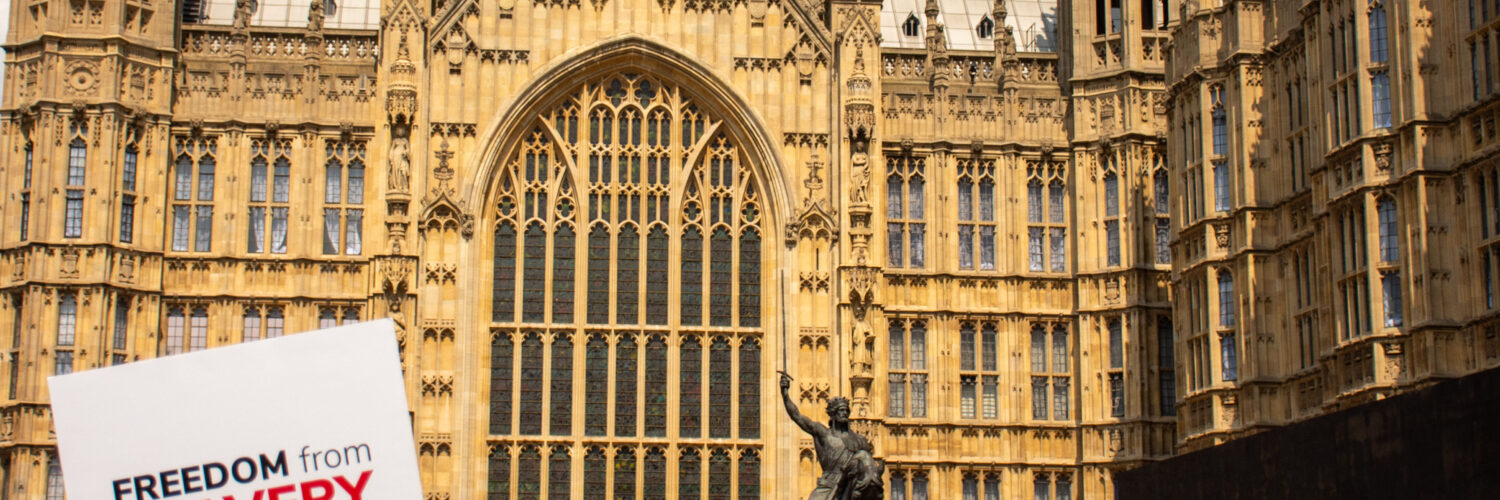
UK Houses of Parliament

Statement on the UK Government’s commitment to introduce mandatory human rights due diligence and forced labour import bans

London, 4 November 2026 — Today, the UK Government has announced the outcome of the Responsible Business Conduct review. Anti-Slavery International welcomes the UK Government’s announcement of a new mandatory human rights due diligence law and the introduction of a prohibition of products made with forced labour. Keep reading »

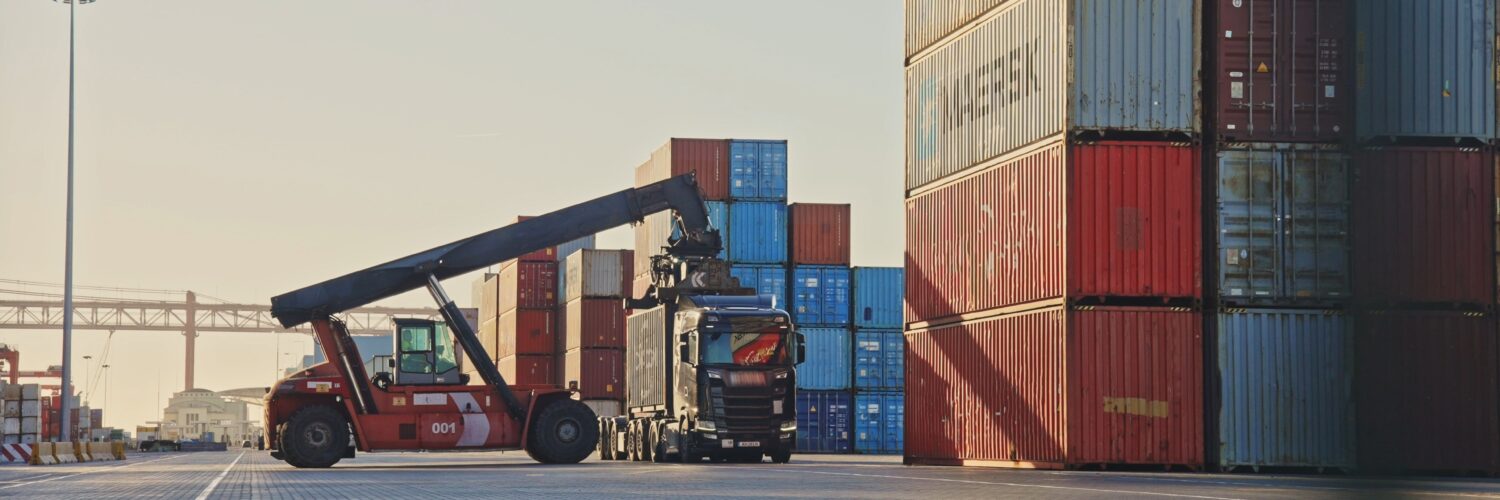
A shipping container is being unloaded from a truck at a port terminal.

Forced labour bans are reshaping global trade

Effective import controls and international cooperation across can make a dent in forced labour in global supply chains. If properly designed, import controls can be an effective tool to address forced labour in global value chains and provide remedies for victims and survivors.  Where in the world are we seeing… Keep reading »

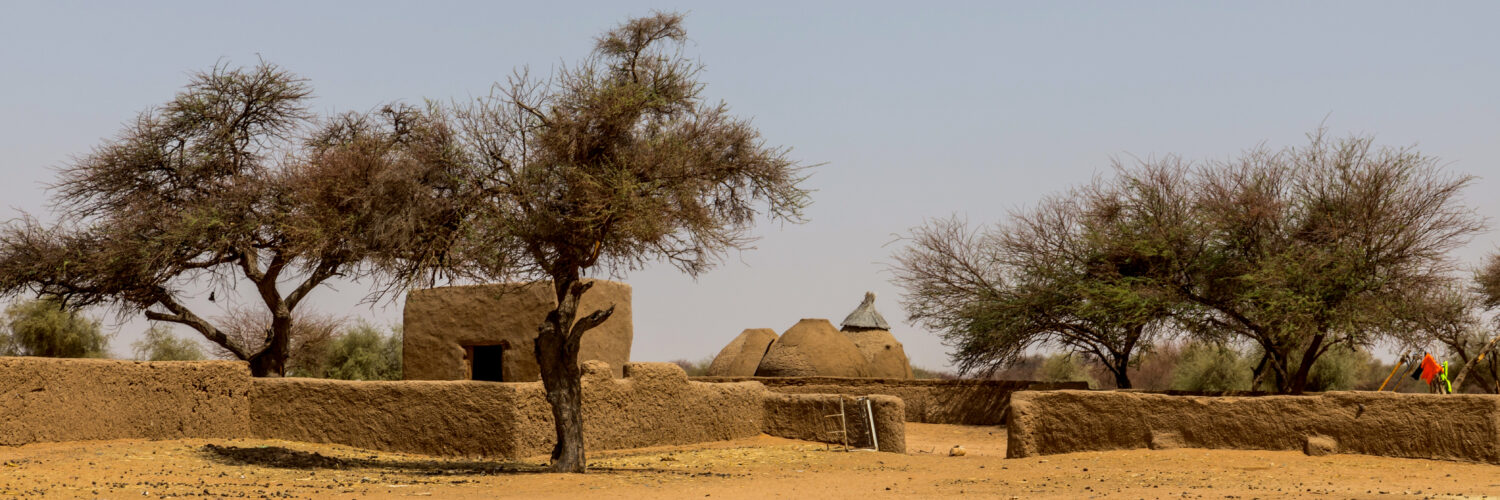
Village scene in the Sahel region

How birth registration can support a life of freedom

Having access to legal identity documents is a fundamental human right and essential to securing all our other rights. Unfortunately, many children around the world are not registered at birth. In this blog, the Regional Advocacy and Programmes team reflects on the importance of birth registration and the barriers that marginalised communities,… Keep reading »