Slavery resources

Speak out about modern slavery
We have a host of resources available for individuals, schools and faith groups
Download our free resources to help raise awareness of modern slavery in your communities
Found 60 resources matching your current query.
End Child Trafficking in West Africa: Lessons from the Ivorian cocoa sector
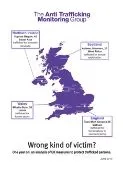
Wrong kind of victim?: one year on: an analysis of UK measures to protect trafficked persons
Anti-Trafficking Monitoring Group; Lorena Arocha; Mike Dottridge
This report by the Anti-Trafficking Monitoring Group looks at the government’s flagship ‘National Referral Mechanism’ and concludes that the UK’s new anti-trafficking measures are “not fit for purpose” and the Government is breaching its obligations under the European Convention against Trafficking. It also finds that the current system places too much emphasis on the immigration status of trafficked people rather than focusing on protecting the victims of this traumatic crime. The report also includes recommendations for the Government to reform the system.
Rights and Recourse: A Guide to Legal Remedies for Trafficked Persons in the UK
Anti-Slavery International and Eaves Poppy Project
Legal guide by Anti-Slavery International and Eaves Poppy Project warns that victims of trafficking for forced prostitution and forced labour are vulnerable to being re-trafficked because of a failure of the criminal justice system to provide financial compensation for their ordeal. The guide aims to be a starting point to help lawyers take a creative and comprehensive approach in evaluating the legal remedies available to trafficking victims. It also includes two practical case studies and recommendations drawn from the experience of several practitioners in the system.
Opportunities and Obstacles: Ensuring access to compensation for trafficked persons in the UK
Anti-Slavery International
Although there has been an increase in the number of convictions for humantrafficking in the UK, legal remedies and compensation for traffickedpersons have remained inaccessible. This report identifies the legalremedies available to trafficked persons in England andWales andanalyses the effectiveness of each remedy viewed in light of itsaccessibility to trafficked persons.
Janice Lam & Klára Skrivánková

Poverty, Development and the Elimination of Slavery
Anti-Slavery International, Mike Kaye, Aidan McQuade
Discussion paper.
Collateral Damage 2007: The impact of anti-trafficking measures on human rights around the world
Global Alliance Against Traffic in Women (GAATW).
This anthology reviews the experience of eight specific countries and attempts to assess what the impact of anti-trafficking measures have been for a variety of people living and working there, or migrating into or out of these countries. The eight are: Australia, Bosnia and Herzegovina (BiH), Brazil, India, Nigeria, Thailand, the United Kingdom (UK) and the United States (US). The chapters look specifically at what the impact has been on people’s human rights.
Missing Out: A Study of Child Trafficking in the North-West, North-East and West Midlands
Christine Beddoe, ECPAT UK
The report highlights the cases of 80 children known or suspected of being trafficked into the UK for sexual exploitation, labour exploitation and forced marriage. More shocking is that 48 of these children have gone missing from social services care and have never been found.
Trafficking for Forced Labour: UK Country Report
Klára Skrivánková, Anti-Slavery International
The result of research carried out by Anti-Slavery International between 2005 and 2006 with the aim of finding out more about trafficking for forced labour in the United Kingdom. This was a qualitative rather than quantative project, which aimed to provide information about how migrants become trafficked and which industries in the UK are affected. Also available an executive summary and policy recommendations.
Trafficking for Forced Labour in Europe
Anti-Slavery International.
Report on a study in the UK, Ireland, the Czech Republic and Portugal This report looks at the various sectors and industries in which trafficking into forced labour occurs including agriculture, construction, domestic work and hospitality. Includes policy recommendations at a European level.
Protocol for Identification and Assistance of Trafficked Persons and Training Kit
Anti-Slavery International, Iveta Bartunkova.
This publication is a practical tool for identifying trafficked people.
It provides basic and practical information to those most likely to encounter people who have been trafficked and aims to help make the difficult task of identification easier. The manual includes lists of indicators, checklists and recommends questions for interviewing trafficked people. The training kit is designed for training front-line workers.