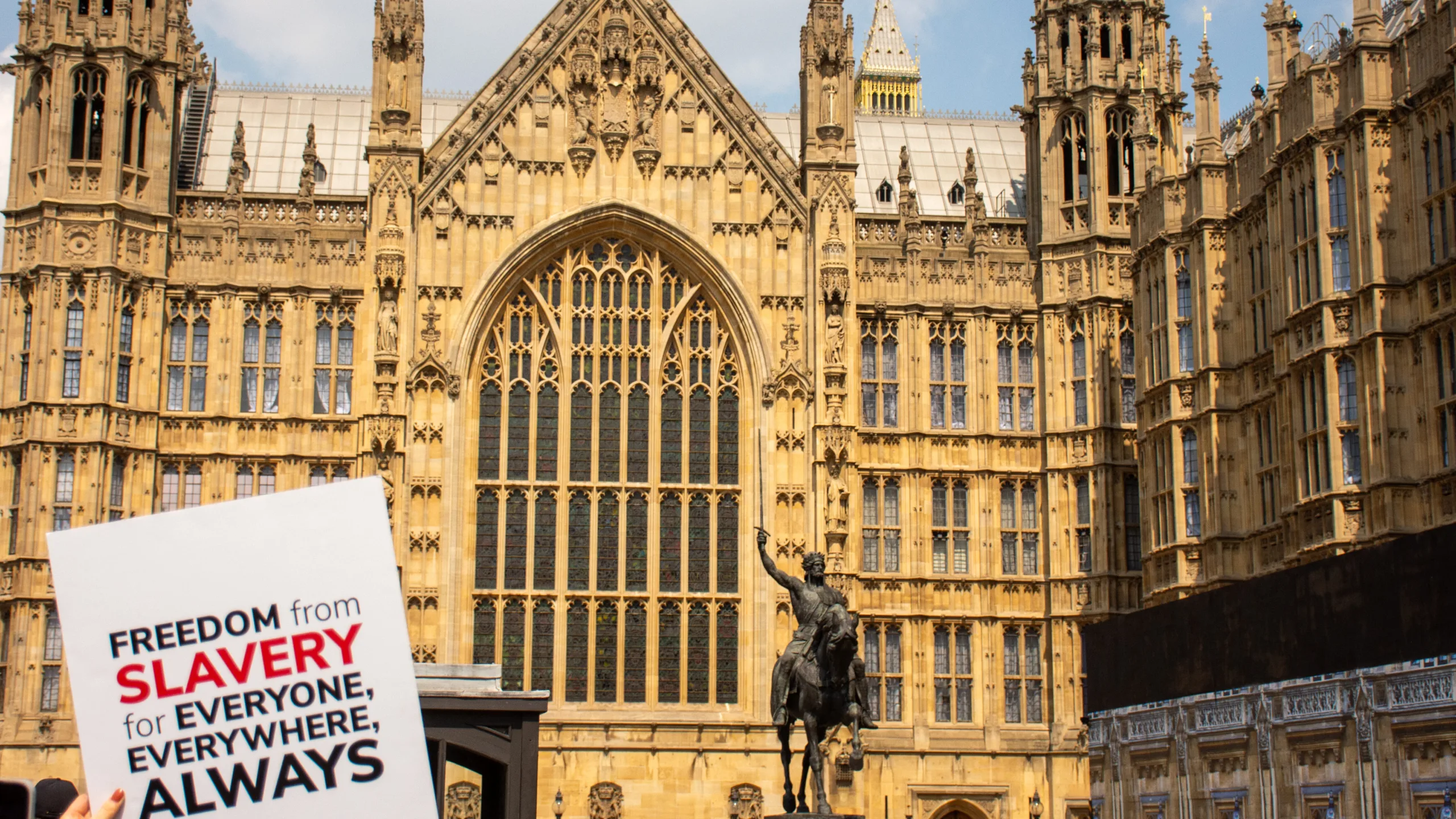
In a few weeks, the world commemorates the Slavery Convention of 2026 that was meant to commit to ending all slavery everywhere. How about progressing this by committing to a Modern Slavery Act 2027 that promotes responsible business, supports survivors and aligns our laws with our values as a society?
Today, the Immigration and Asylum Bill returned for its committee stage in Parliament. From the perspective of 50 million people living in slavery across the world, including far too many in the UK, it is a missed opportunity to improve the UK’s efforts to prevent modern slavery and support survivors.
We must face fundamental questions: how did we design a system where the options for many exploited workers, who have invested so much to arrive in the UK, are either to suffer the abuse or leave the country?
The UK Government’s announcement that immigrant workers may leave exploitative working conditions and change employment without losing their visa is a positive step. There are still bureaucratic hurdles with this new allowance, but at least it reflects an attempt to bring a bit more humanity and fairness to the visa scheme. This must be repeated across our whole modern slavery legislation and survivor support system.
Thousands of British people – estimated at 122,000 people – are suffering extreme exploitation that likely amounts to forced labour. British citizens form the largest national group of survivors seeking support in the UK. According to the Government’s own statistics, 50% of all referrals of UK nationals were for the criminal exploitation of children in 2025. But slavery exists across sectors in the UK, including farming, beauty, care work, and construction and these industries rely heavily on migrant workers. They need more help than they are getting.
The risk of modern slavery does not just exist in the labour abuse that occurs here in the UK. They also exist in the goods and services that we buy from across the world: our clothes, food, flowers, our mobile phones, our cars and our solar panels, to name but a few products that are made with forced labour.
The Immigration and Asylum Bill does little to improve the lives of workers in the global supply chains of these goods. Rather, by only requiring companies to publish a statement on what they are doing to address modern slavery, even if they are not taking any action at all so long as they provide the reasons why not, the Bill ensures that the British Government, and we as consumers who use and enjoy these products, are complicit in this abuse.
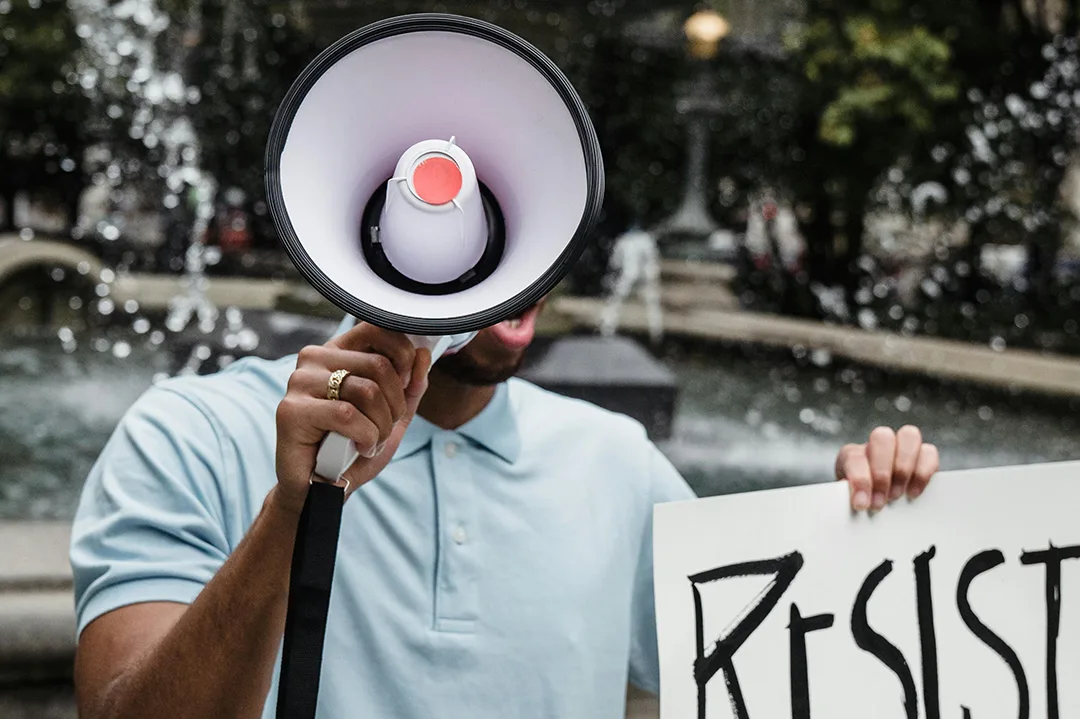
Tell your MP
The Government’s new Immigration and Asylum Bill, if passed, will significantly weaken the UK’s response to trafficking and modern slavery. Oppose the removal of protections and support for survivors of modern slavery
We may question the motives or sincerity of President Trump’s tariffs on many countries, the U.K. included, because of their failure to tackle slavery in their supply chains. But it is true that the U.K. has fallen behind the world in not introducing legislation that requires businesses to exercise real efforts to stamp modern slavery out, or to ban imports of goods that are likely to have been made with forced labour.
We know that several million Uyghur and other Turkic and Muslim-majority peoples are subject to forced labour imposed by the Chinese Government across sectors including renewable energy, critical minerals, electric vehicles, apparel and agriculture in what the UN Human Rights Commissioner has said may constitute crimes against humanity.
We also know that meat imported from Brazil may have been reared and slaughtered by people who are not paid or not free to leave, that slavery is rampant in the fashion industry, and that many of our favourite chocolates could have relied on forced labour and trafficking. And yet, under the current legal regime in the UK, actually doing something about modern slavery is an optional extra.
In the meantime, while the EU continues to move towards operationalising the forced labour regulation and other jurisdictions, like Canada and Australia, strengthen forced labour import controls, the UK fails to shed its reputation as a “dumping ground” for forced labour.”
As Professor Laura Murphy, one of our leading academics in this field has said: “you could bring a container ship into a UK port with a big sticker on the side that said, “Made with slave labour”, and it would enter the market with no barriers.”
We don’t need what’s in this immigration bill. What we need, and has been recommended by several parliamentary committees, is a proper law designed to impose duties on all businesses to take reasonable care to make sure there is no slavery in their supply chains, and we need to ban imports of goods made with forced labour that presumes that goods produced in places where the state places its own citizens into forced labour are tainted.
In a few weeks, the world commemorates the centenary of the Slavery Convention of 1926 that was meant to commit to ending all slavery everywhere. How about progressing this by committing to a Modern Slavery Act 2027 that promotes responsible business, supports survivors and aligns our laws with our values as a society?
Mark Goldring,
Interim CEO

Let’s end slavery
Add your voice by calling on MPs to take action on modern slavery.