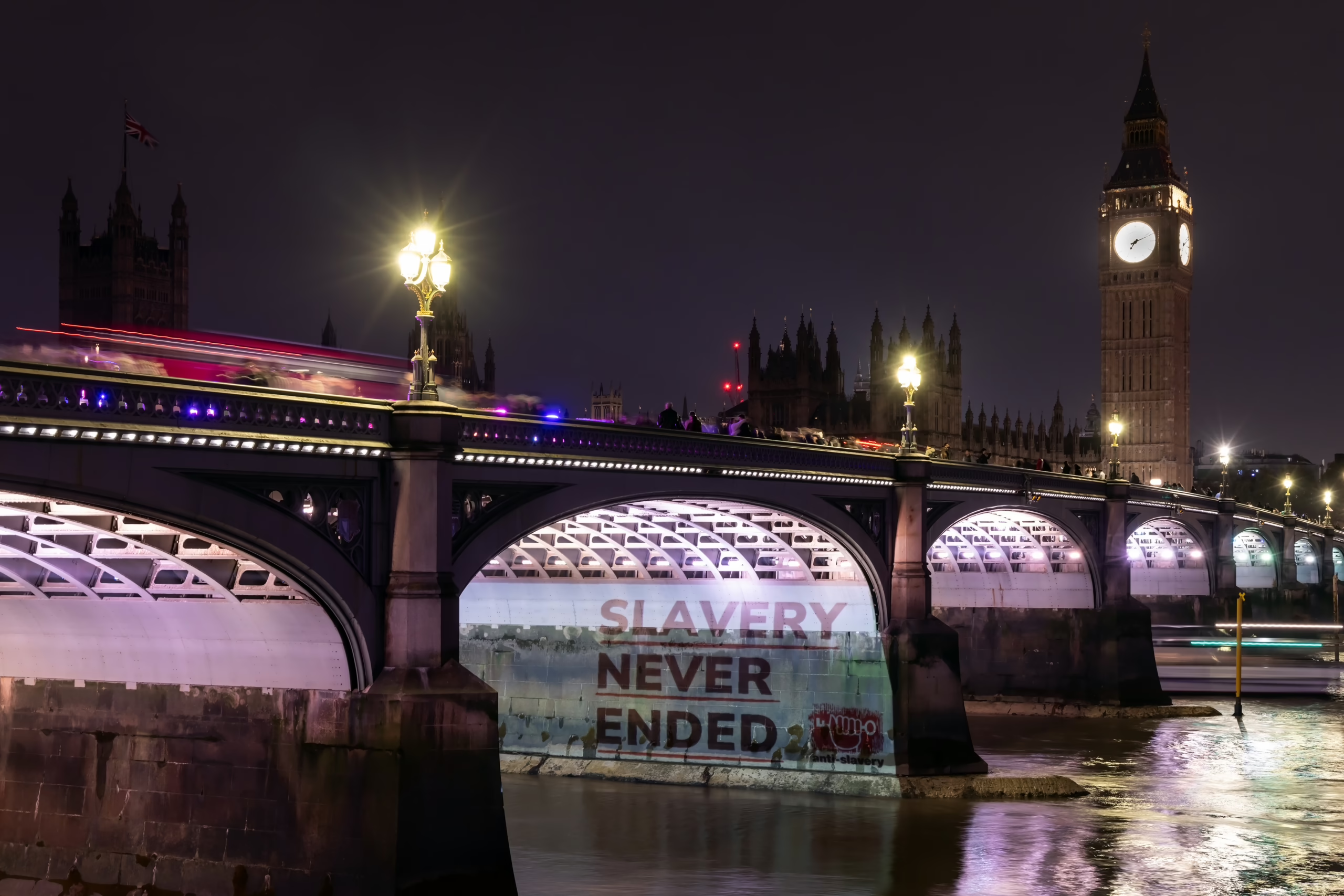
On the centenary of the 1926 Slavery Convention – which obliged all ratifying states to end slavery – we are faced with both familiar and new challenges: slavery persists, and it has transformed. How do we come together as believers of freedom to reckon with these challenges in the 21st century?
Today, 25 September 2026, marks one hundred years since the adoption of the Slavery Convention, or the Convention to Suppress the Slave Trade and Slavery.
The convention was drafted as a result of the League of Nations’ investigations on the remnants of chattel slavery and slavery-like practices.
Anti-Slavery International, then known as the Anti-Slavery and Aborigines Protection Society, had been actively campaigning against slavery since its founding in 1839, and provided key evidence to the League of Nations’ Temporary Slavery Commission (established in 1924).
The Convention was the first international treaty to formally define slavery and to call on member states to abolish it in all its forms.
“(1) Slavery is the status or condition of a person over whom any or all of the powers attaching to the right of ownership are exercised.
(2) The slave trade includes all acts involved in the capture, acquisition, or disposal of a person with intent to reduce him to slavery; all acts involved in the acquisition of a slave with a view to selling or exchanging him; all acts of disposal by sale or exchange of a slave acquired with a view to being sold or exchanged, and, in general, every act of trade or transport in slaves.”
The Slavery Convention also set some limits on the use of forced labour, but it was the International Labour Organization (ILO) that presented the Forced Labour Convention in 1930 to ‘suppress the use of forced or compulsory labour in all its forms’, followed by ILO Convention No.105 in 1957 which prohibits state-imposed forced labour.
One hundred years on, 99 States have ratified the Slavery Convention, and slavery has been legally abolished in every country in the world. So why does it persist, with nearly 50 million people estimated to be living in slavery today?
Limitations of the convention
The 1926 Slavery Convention was a product of its time, reflecting developing international law and ongoing colonial hierarchies.
The Convention was relatively limited given its ownership-based definition of slavery that left coercive practices such as debt bondage outside its scope (this was later partly addressed by the UN 1956 Supplementary Convention). Its limitations also lie in its call for progressive action towards ending slavery and forced labour “as soon as possible” rather than immediately.), and by calling for progressive action towards ending slavery and forced labour “as soon as possible” rather than immediately.
The Convention also contained effective ‘get out’ clauses for colonial powers, including Article 5, which permitted compulsory or forced labour to continue for “public purposes”. This allowed governments to continue using forced labour to build roads, railways and other public works.
Article 9 of the Slavery Convention also allowed States to declare that ratifying the Convention would not bind all of its colonial, protected or mandated territories to any or all of the Convention’s provisions.
These limitations reflect a wider pattern from the abolition of the Transatlantic Slave Trade onwards that slavery did not end, but instead changed forms, with racialised oppression shifting into systems such as indentured labour (also known as debt bondage, where people are often tricked into working for little or no pay and are forced to pay off extortionate fees associated with their recruitment) and the criminalisation of mobility, vagrancy and debt to force people to work in the prison labour system.
Slavery today
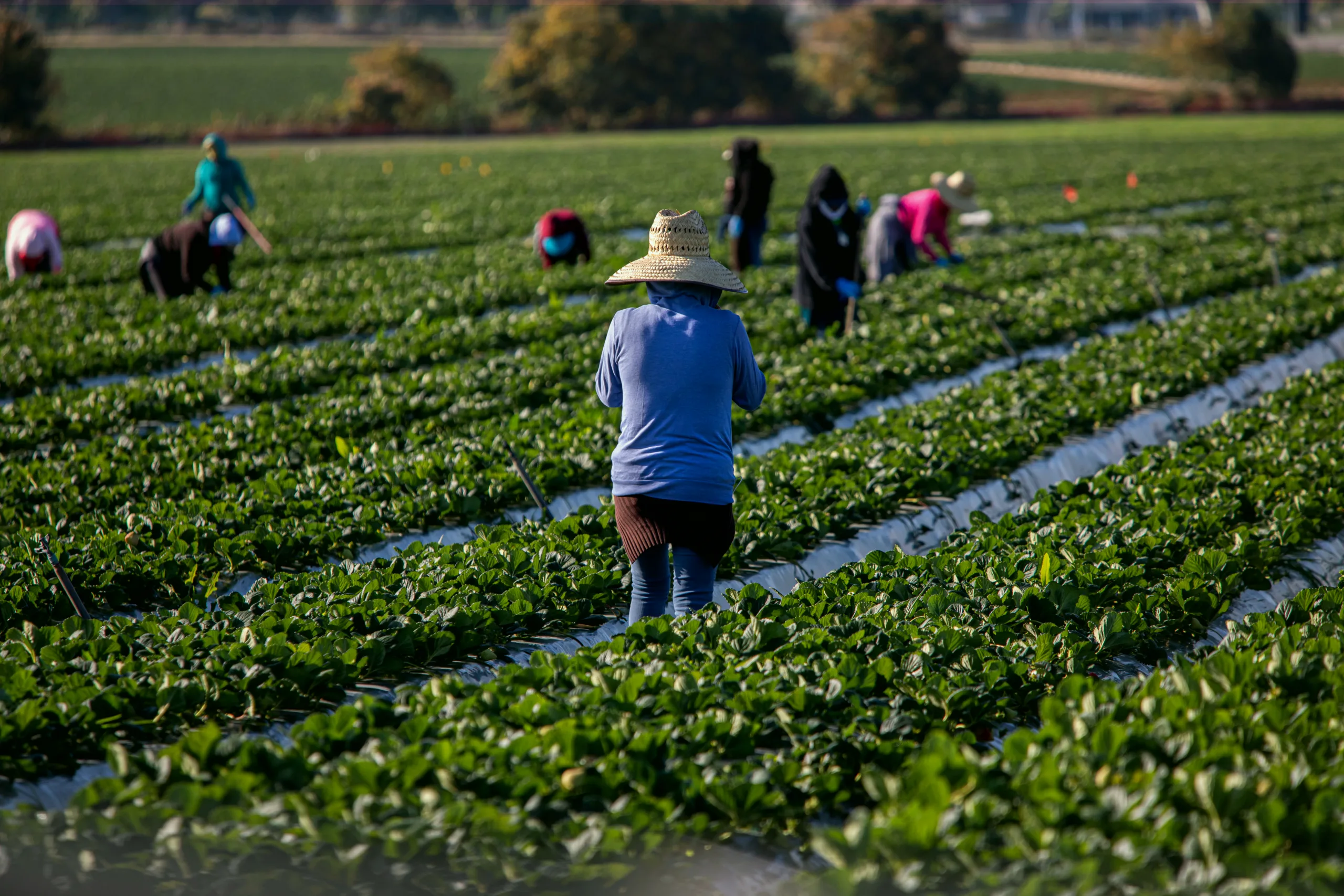
Slavery today bears similarities with slavery when the 1926 Slavery Convention was introduced. Debt bondage, for example, continues in sectors such as agriculture, brick kilns, mills, mines, factories, and construction and hospitality as experienced by migrant workers in the Gulf. It often occurs alongside other forms of modern slavery, such as human trafficking and forced labour.
State-imposed forced labour also persists, where governments force their citizens to work, for example, as a method to mobilise labour for economic development, to punish political dissents, or to discriminate against religious and ethnic minorities. Walk Free has found that state-imposed forced labour occurs in 17 countries, with notable cases including tens of thousands of public sector employees forced to work in the cotton system in Turkmenistan, and systematic forced labour as part of the Chinese Government’s mass human rights persecution against Uyghur and other Turkic and Muslim-majority peoples in the Uyghur Region.
The nature of state-imposed forced labour poses specific challenges and creates distinct considerations that have significant implications for how businesses should address it, including the necessity of immediate and urgent disengagement. Descent-based slavery also persists in some parts of the Sahel in West Africa, including Niger, Mauritania and Mali. People in descent-based slavery live under the full control of so-called “masters” and are seen as the “property” of slave-owning families. Survivors are exploited for their labour and lack identification documents, freedom of movement, financial resources, or access to information, which further limits their ability to access freedom.
But there are also differences in the manifestations of slavery today as new challenges arise, compounding issues like poverty and exclusion. With the rise of climate change impacts, conflict, and growing technology-related industries, millions of people are being exposed to risks of modern slavery.
The impacts of climate change have far-reaching consequences, and millions more people may be pushed into modern slavery because of the injustices created by climate change. From destroying communities’ homes and livelihoods and fuelling displacement, to being trafficked into forced labour in the very same industries that are contributing to environmental degradation, climate change is an urgent issue that requires a holistic response.
We are also seeing a growing phenomenon of people being exploited through forced criminality in the cyber-scam industry. The industry has grown exponentially in recent years as people are lured into scamming networks under false pretences or are kidnapped, trafficked, and ‘sold’ to similar operations within and across borders.
Abolition is unfinished work. With an ever-evolving global landscape, how can we come together, as believers of freedom, to face both old and new challenges of the 21st century?
More than a symbolic commemoration
The centenary is a moment for honest reflection. This cannot be a symbolic anniversary when the de facto prohibition of slavery remains incomplete.
It must be a turning point and a defining global moment for accountability, political commitment and corporate responsibility.
Reflecting on this commemoration, Anti-Slavery International’s International and Thematic Advocacy Manager, Cara Priestley, said, “We must ramp up our efforts to eradicate slavery. But none of us can do it on our own. When we look at what drives slavery around the world, these are the same issues that other movements are contending with as well. Ultimately, it is by bringing together our movements – from labour rights, racial and indigenous equality and justice, environmental justice, to poverty eradication efforts – that we can finally bring an end to slavery.”
Freedom is a fundamental right for everyone, everywhere, always. Collectively, we can continue this movement rooted in nearly 200 years of campaigning. Together, and only together, can we make freedom from slavery a reality.
Let’s end slavery
Add your voice by calling on MPs to take action on modern slavery.