Exploring the links between historical and modern forms of exploitation in slavery, and the ongoing fight for freedom
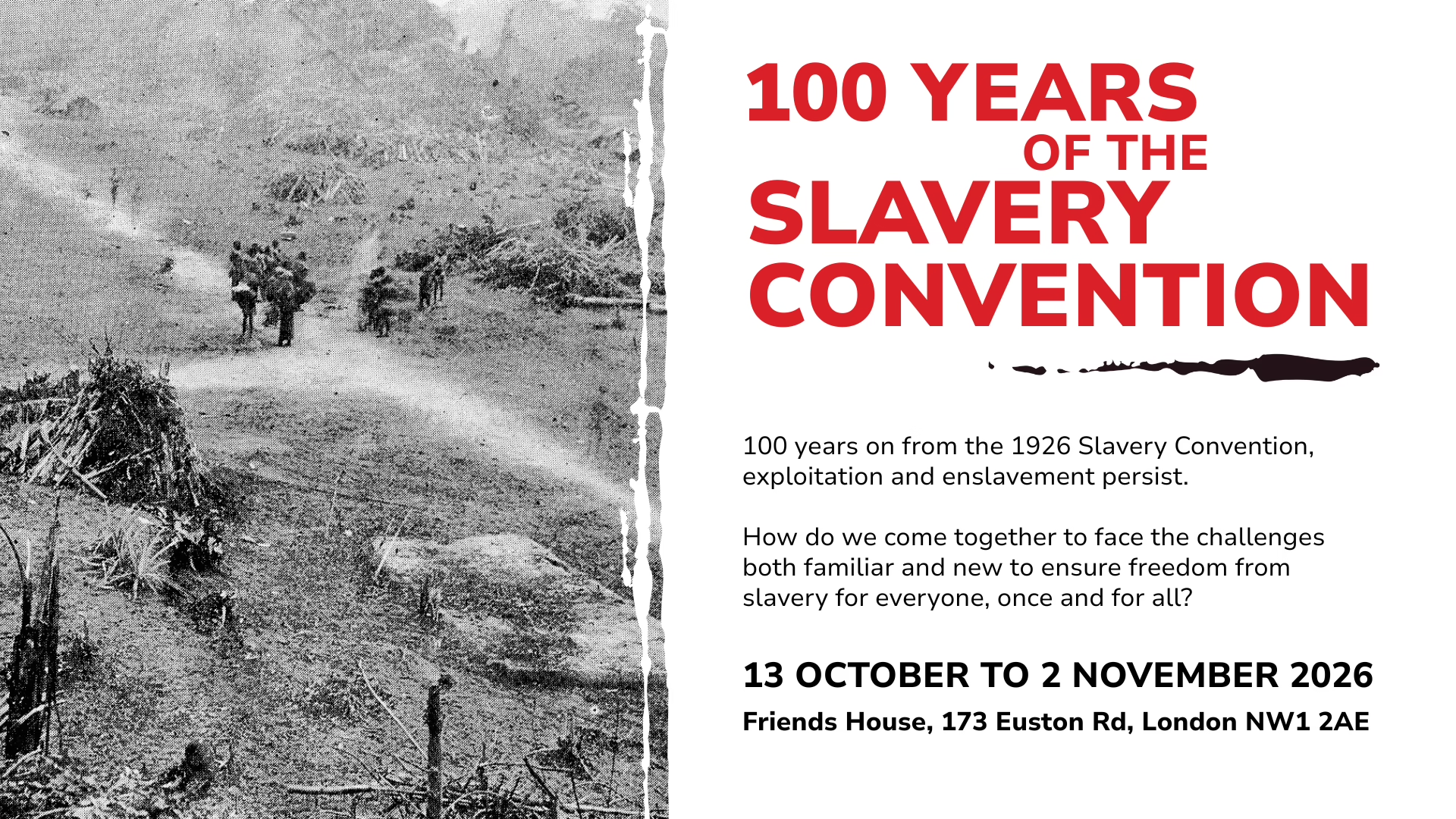
13 October 2026, London – This Anti-Slavery Week, Anti-Slavery International commemorates the centenary of the 1926 Slavery Convention (marked on 25 September) with a photo exhibition exploring the relationship and continuity between historical and modern forms of enslavement. The exhibition, “100 years of the Slavery Convention,” invites the public to reflect on the ongoing struggle for freedom.
Combining archival material dating back to the 18th century, before the Slavery Convention, with contemporary photographs, testimonies, and artwork by workers and survivors, the exhibition offers visitors insights into the impact of exploitation on individuals and communities, as well as milestones in the global movement to end it.
With nearly 50 million people in situations of modern slavery today, we are starkly reminded that, despite the UK’s Slavery Abolition Act 1833, the 1926 Slavery Convention, and other milestones in the anti-slavery campaign, slavery persists.
Anti-Slavery International Programmes and Advocacy Director, Laoise Ni Bhriain, said: “To confront exploitation we must take stock of the past. What progress has the international community made in the fight against enslavement, and what lessons can we draw from those successes? Just as importantly, where have our efforts fallen short, and why?”
With global pressures like climate change, conflict, and the (mis)uses of technology increasing, as well as developments that strengthen the identification of signs of exploitation, Ni Bhriain adds, “But we must also be forward-looking – exploitation is adapting in ways both familiar and new, and we must be braced to respond if we are to realise freedom for everyone.”
As visitors move through the collection, they are encouraged to reflect on their role as believers in freedom: how do we come together to eradicate exploitation in slavery once and for all?
‘100 years of the Slavery Convention’ includes contributions from:
The Haratine Imprints Documenting Erasure project, a digital archive produced through interviews, focused on documenting contemporary human rights abuses faced by the Haratine in Mauritania, to raise awareness and support advocacy efforts.
Pan Intercultural Arts, whose work with survivors of slavery uses the arts and creativity to stimulate new confidence, new independence and improved mental health. Engagement in the arts rekindles creativity and imagination which, in turn, lead to the ability to imagine positive futures, and enjoy the rich world of new thoughts and reflection.
Quakers in Britain, working long term to tackle the root causes of violence and to build a more just and peaceful world. Quakers call this form of action ‘witness’ – living out their faith through action. As an organisation Quakers in Britain support Quakers to take action and also works on their behalf to build sustained peace and social justice.
‘100 years of the Slavery Convention’ runs from 13 October to 2 November at Friends House in Euston. Entry is free, and the exhibition is open from 08:00 to 17:00, Monday to Friday.
###ENDS###
Notes to editors:
- Visit the exhibition at Friends House, 173-177 Euston Road, London. NW1 2BJ.
- Anti-Slavery Day is marked in the UK on 18 October each year.
- Learn more about the 1926 Slavery Convention.
- For more information, please contact Yasmina Silva on 07518 479 786 or [email protected]
Anti-Slavery International is the world’s oldest human rights campaign, founded in 1839. It exists to challenge contemporary forms of slavery wherever they exist by tackling modern slavery’s root causes. Working in partnership with survivors, experts and its members, Anti-Slavery International manages projects in countries worldwide to help communities understand and eliminate the causes and adverse effects of modern slavery through legislative change, research and advocacy.