Slavery resources

Speak out about modern slavery
We have a host of resources available for individuals, schools and faith groups
Download our free resources to help raise awareness of modern slavery in your communities
Contemporary Forms of Slavery in Brazil
Contemporary Forms of Slavery in Paraguay
Anti-Slavery International, Mike Kaye.
This report gives an overview and analysis of different slavery practices in Paraguay, including forced labour of indigenous people, trafficking in people, the commercial sexual exploitation of children, child domestic work and child soldiers. Also available as a PDF download in Spanish.
Contemporary Forms of Slavery in Peru
Anti-Slavery International, Bhavna Sharma.
This report provides information and analysis in relation to slavery practices in Peru, with a particular focus on forced labour in the Amazon, domestic work, trafficking of women and children for sexual exploitation, and children working in mines.
Contemporary Forms of Slavery in Uruguay
Anti-Slavery International, Mike Kaye.
This report provides information and analysis in relation to slavery practices in Uruguay, with a particular focus on the commercial sexual exploitation of children, the worst forms of child labour, and trafficking of people.
Protocol for Identification and Assistance of Trafficked Persons and Training Kit
Anti-Slavery International, Iveta Bartunkova.
This publication is a practical tool for identifying trafficked people.
It provides basic and practical information to those most likely to encounter people who have been trafficked and aims to help make the difficult task of identification easier. The manual includes lists of indicators, checklists and recommends questions for interviewing trafficked people. The training kit is designed for training front-line workers.
Child Domestic Workers: A handbook on good practice in programme interventions
Maggie Black, Anti-Slavery International.
A practical guide to what works and why when it comes to practical assistance for child domestic workers. Contains experiences of local practitioners from Africa, Asia, Latin America and the Caribbean; international organisations and networks working on this issue. And the views of almost 500 current and former child domestics consulted in nine countries. A companion publication detailing the results of these consultations will follow in early 2006. Particularly useful for small and medium-sized NGOs seeking ways to improve their existing programmes or planning to add assisting child domestic workers to their activities. ISBN 0 900918 59 4
1807-2007: Over 200 years of campaigning against slavery
Anti-Slavery International, Mike Kaye.
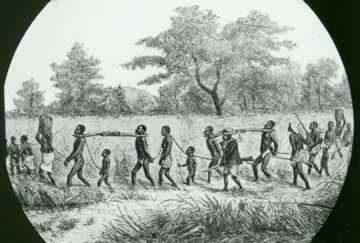
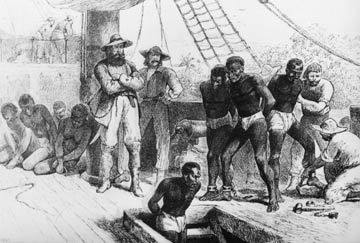
This publication gives an overview of the Transatlantic Slave Trade and considers the factors that led isolated voices of protest to develop into a popular movement in less than 20 years, helping to bring about the abolition of the slave trade in 1807. It also traces how after the end of the Transatlantic Slave Trade, new forms of slavery began to manifest themselves and how they were challenged through popular campaigns and the development of international standards to prohibit them. It also considers what action needs to be taken to free the millions of people in slavery today.
ISBN 0 900918 61 6
Eastern Africa Conference 2005: Report of the Eastern and Horn of Africa Conference on Human Trafficking and Forced Labour
ANPPCAN, Anti-Slavery International.
Details the proceedings and recommendations of the conference held in Nairobi from 5-7 July 2005. The conference discussed contributing factors to trafficking and forced labour, including armed conflict, debt bondage, education and child labour, drugs and transnational crime, and national and international adoption. It also examined various regional and international responses.
Hands Up For Freedom Conference : Compilation of Reports from the Conference on Trafficking of Human Beings and Migration: A human rights approach
Anti-Slavery International.
In March 2005, Anti-Slavery International and other non-governmental organisations including CICA, IEPALA, MLAL Progetto Mondo and OIKOS took part in a conference in Lisbon, Portugal. The issues of trafficking and migration in Italy, Portugal, Spain and the United Kingdom were discussed, including the current siutation, government action and recommendations for change. Global partners presented papers on topics relating to the conference’s theme. The report is a summary of information made available during the conference.
An Absence of Choice: The sexual exploitation of North Korean women in China
Anti-Slavery International.
This report exposes the vulnerability of North Korean women who flee to China to trafficking. A wide range of case studies documents trafficking into sexual exploitation and forced and ‘arranged’ marriages. It makes a case for North Koreans in China to be considered refugees and concludes with recommendations of what action needs to be taken.